
Both WPC and timber have their place in Australian outdoor design. Here's an honest look at how they compare across the factors that matter most.
Maintenance
Timber decking needs annual oiling or sealing to maintain its appearance and resist weathering. WPC requires only periodic washing with mild detergent. If you enjoy the ritual of deck maintenance, timber rewards the effort. If you'd rather spend your weekends using the deck than maintaining it, WPC is the clear winner.
Longevity
Quality WPC decking carries 25-year warranties and resists rot, splintering, and insect damage by design. Timber can last just as long with proper care, but it is vulnerable to the Australian elements - sun, rain, and termites - in ways WPC simply isn't.
Underfoot Feel
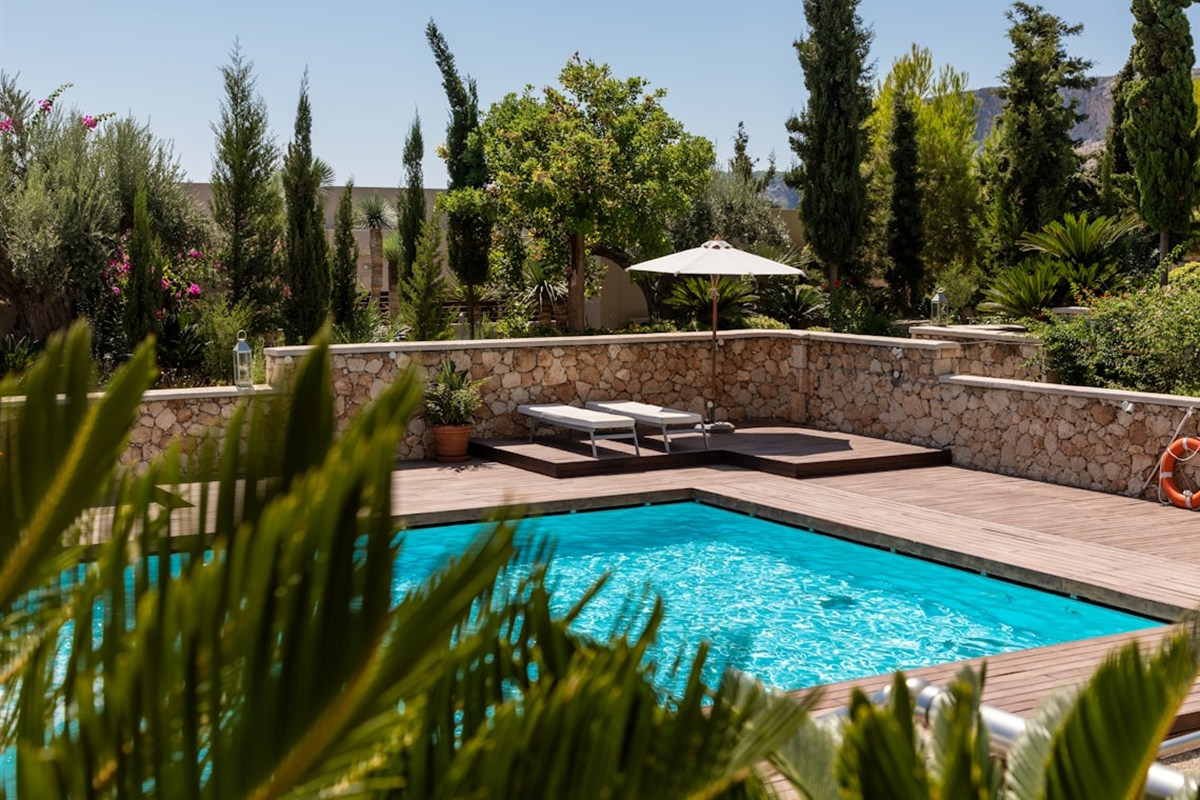
Timber has a natural warmth and grain texture that WPC emulates but doesn't fully replicate. However, WPC stays cooler in direct sun and won't splinter - a practical advantage for barefoot zones around pools.
Cost
Timber has a lower upfront cost per lineal metre. WPC costs more initially but the gap narrows over time when you factor in ongoing maintenance products and time.
The Verdict
For busy households that want a beautiful deck without the maintenance rhythm, WPC makes a compelling case. For purists who love the authenticity of real timber and don't mind the upkeep, traditional hardwoods still hold their appeal.